Strengthening the long-term transition during a fuel crisis
Whilst the headlines around the Budget focused on the response to the fuel crisis emerging from the war in Iran, the Budget continued to promote investment in initiatives that have seen Australians embrace clean energy solutions that cut household bills.
With the Clean Energy Solutions Index showing strongest support for solutions such as household solar and batteries, the Government largely maintained incentives that help Australians embrace these technologies, albeit with some reforms to individual programs.
Batteries still on the rise
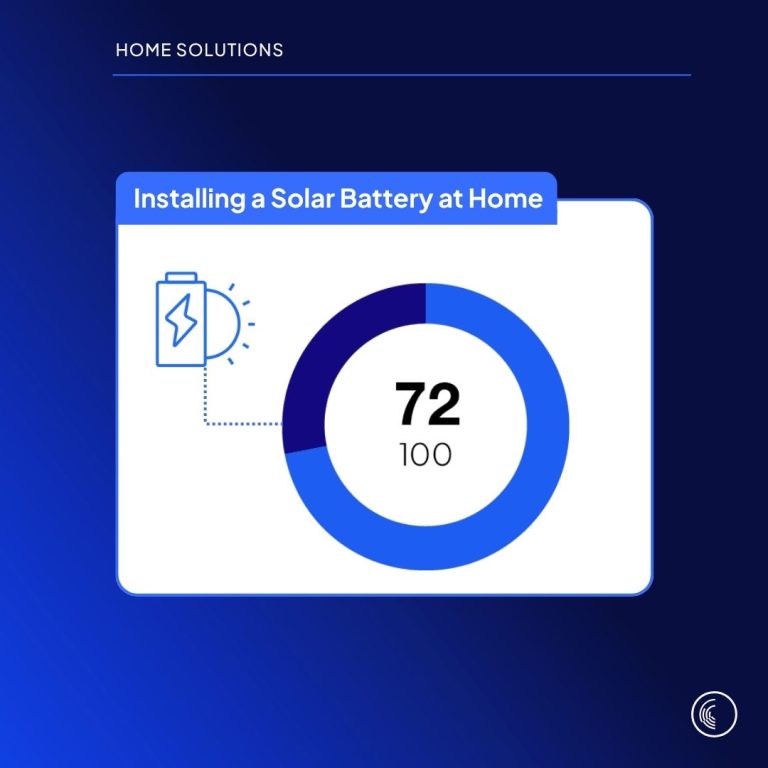
Solar batteries recorded a deep support score of 72 in CESI 2025. And while the pre-Budget period contained further reforms to target incentives to households embracing batteries, it recognised the value of maintaining access to them through existing schemes.
74 percent of those that personally support solar batteries have said saving money on power bills was a key reason for backing the technology.
EVs are one to watch
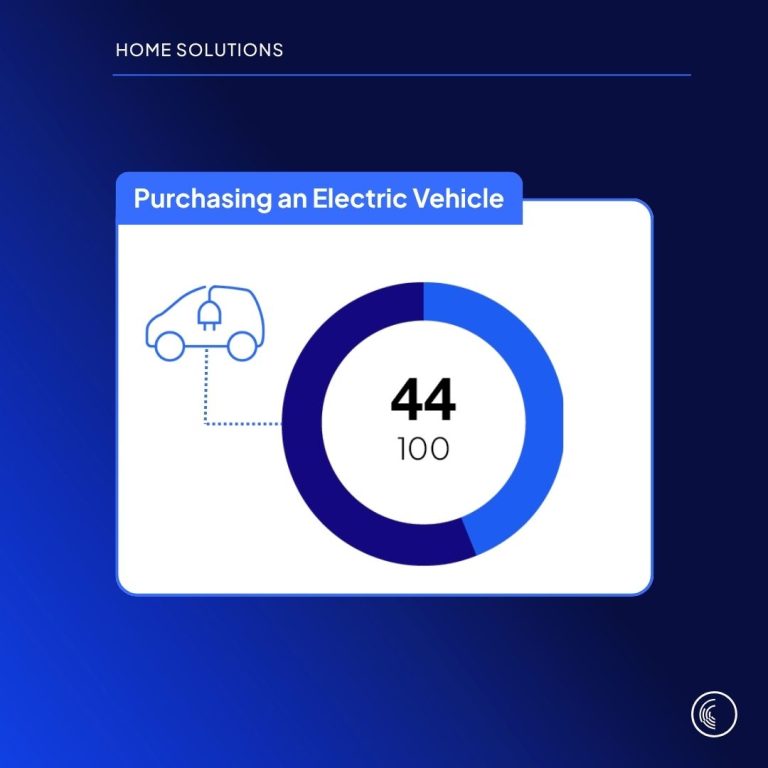
In the 2025 Index, EVs scored a deep support score of 44 out of 100 – notably lower than solar panels and batteries for households.
The Government did introduce measures to progressively taper incentives for EV, particularly the Fringe Benefits Tax exemption for electric vehicles purchased through novated leases.
But despite pressures on the Budget, they did not eliminate them at a time when Australians concerned by fuel prices as a result of the war in Iran are buying EVs at record rates.
Support for EVs will be one to watch when the 2026 Index is finalised and released later this year.
New technology on the horizon
The headlines around the Budget focused on traditional fuel security, but the Government also introduced some other measures to introduce renewable fuels into the mix. This includes a new program to help develop a Sustainable Aviation Fuels Industry.
In the 2025 Index, support for different industry solutions varied, but there was a strong theme of economic capability and sovereignty being a virtue.
Conclusion
The Budget investment in solutions Australians can depend on in their daily lives builds on the insights from the Index that Australians are most supportive of clean energy when the household value is clear.
The Budget understands that momentum towards a clean energy future starts with households.
Source note:
Post written by Glenn Byres, Associate Director at 89 Degrees East.
Findings are based on the Clean Energy Solutions Index 2025,
The Clean Energy Solutions Index was developed by 89 Degrees East in collaboration with Boundless.
Relevant data points used here include the national support score, solution-level support scores, and key drivers and barriers for home solar and home batteries.