Cost-of-living pressure shapes how people think about clean energy
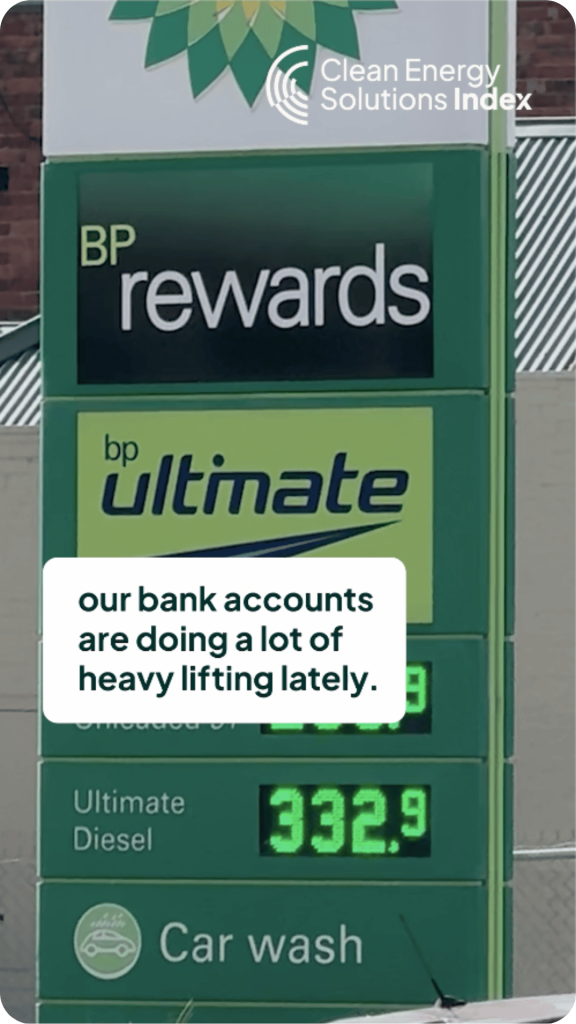
As household budgets tightened in 2025, Australians appeared most supportive of the clean energy solutions where they could see the clearest financial benefit. That was one of the clearest patterns in the Clean Energy Solutions Index 2025.
The overal, nationall deep support score across the 11 clean energy solutions was 60 out of 100. But support was not evenly spread. The strongest support clustered around household technologies with clear, direct value to households, especially solar panels and home batteries.
Solar leads because the value feels clear
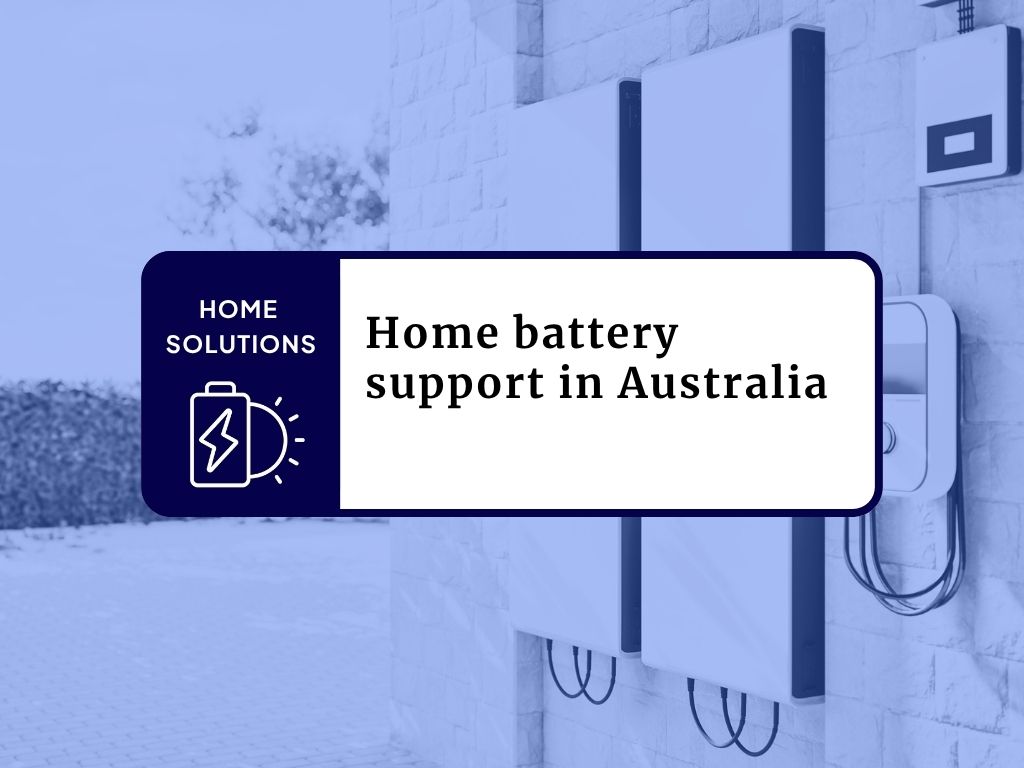
Solar panels recorded the highest support score of any solution in the Index, at 81 out of 100. Solar batteries followed at 72. Both technologies appear to benefit from a clear and immediate household value proposition. For solar panels, 78% of supporters said saving money on power bills was a key reason they backed the technology. For home batteries, 74% said the same. In both cases, cost was also the main barrier, with upfront expense the leading reason for opposition.
Support appears to deepen when the benefits feel personal
This suggests support is based not only, or even primarily, on broader views on climate or energy policy. It is tied to whether a solution looks like it could save a household money.
Solar panels and solar batteries are no longer fringe technologies. These technologies are increasingly part of how households think about managing energy costs over time. They are increasingly part of how households think about managing energy costs over time.
- In the 2025 Clean Energy Solutions Index:
- 78% of Australians said they had installed solar panels or would consider doing so
- For batteries, while just 9% said they already had one, 51% had considered it.
Support is weaker where the return on investment feels less certain
Lower support for electric vehicles and gas-free homes points to the other side of the picture. In the Index, EVs scored 44 out of 100 and gas-free homes scored 48, well below solar panels and home batteries.
In both cases, cost was a barrier, alongside concerns about practicality, performance and ease of switching. That does not suggest resistance is fixed. Rather, it suggests deeper support may depend on making the personal value of these solutions clearer and easier to experience.
Conclusion
The 2025 Clean Energy Solutions Index pointed to a simple but important pattern. Australians appear most likely to back clean energy when it delivers visible household value alongside environmental benefit. Where the economics feel clear, support deepens.
“Australians appear most supportive of clean energy when the household value is clear.”
– Dr Rebecca Huntley.
Source note:
Findings are based on the Clean Energy Solutions Index 2025,
The Clean Energy Solutions Index was developed by 89 Degrees East in collaboration with Boundless.
Relevant data points used here include the national support score, solution-level support scores, and key drivers and barriers for home solar and home batteries.